
Planning Spy-Themed Dinner Events That Work
Create unforgettable spy dinners with practical venue selection, costume strategies, menu planning, and timing. Your guests will be talking about this for months.
Why Spy Dinners Work So Well
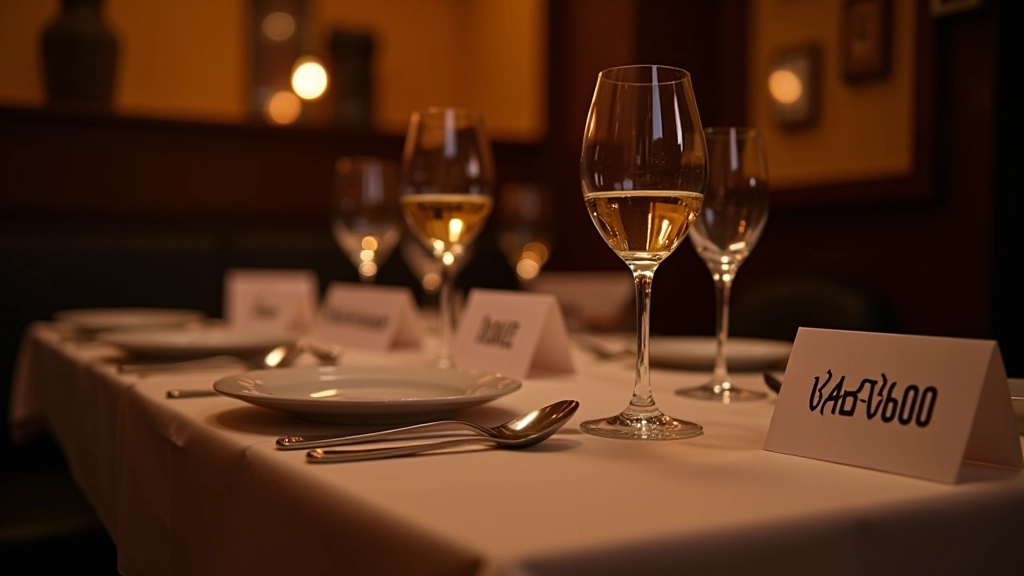
Here's the thing about spy-themed dinner events — they give your guests permission to be someone else for an evening. No need for awkward small talk or forced mingling. Everyone's invested in the game from the moment they arrive.
We've hosted dozens of these events for the 40-60 crowd in Portugal, and we've learned what actually works versus what falls flat. The difference isn't complicated. It's about picking the right space, getting the timing right, and letting the theme do the heavy lifting. You don't need expensive props or professional actors — you need structure, atmosphere, and people who understand the assignment.
This guide covers everything from selecting your venue to managing the flow of the evening. We'll walk you through costume planning, menu coordination, and the specific timing decisions that keep the energy high without burning people out.
Choosing Your Venue: The Foundation Everything Rests On
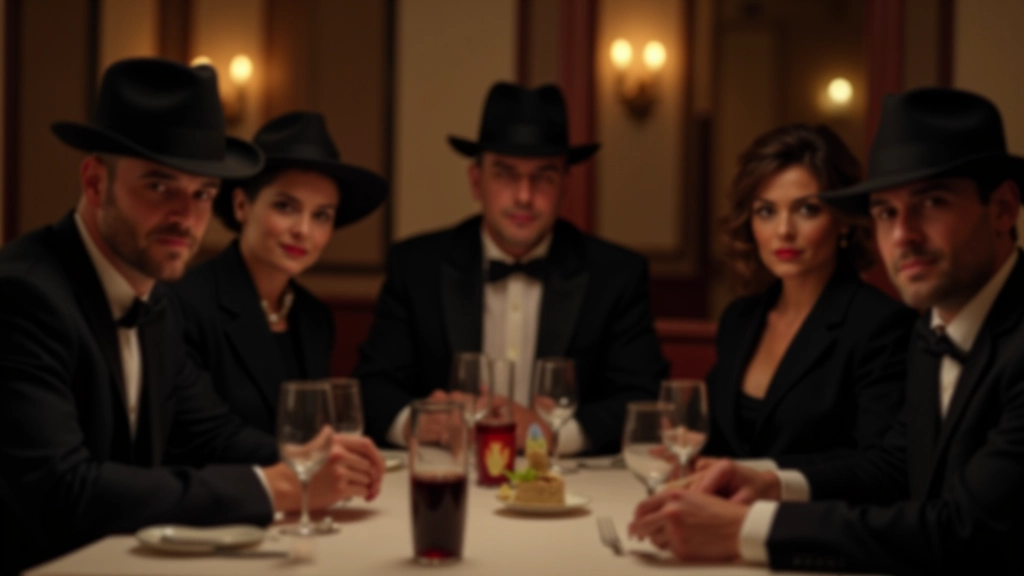
Your venue makes or breaks a spy dinner. You're not just looking for a restaurant with tables and chairs — you need a space that creates intrigue. The best venues have natural separation between dining areas, decent lighting control, and staff who understand the assignment. Look for places with private rooms or secluded corners. You want guests to feel like they're entering an exclusive operation, not sitting in a standard dining hall.
In Lisbon and Porto, we've found success with historic buildings, boutique hotels with private dining, and smaller restaurants willing to go along with the theme. Size matters too. For 12-20 people, you want something intimate. Too large and the energy dissipates. Too cramped and you can't move between tables for the game elements.
Ask these specific questions when you're scouting: Can the venue dim lights in certain areas? Will staff stay in character or at least stay out of the way? Is there a separate entrance or room transition point? Can you arrive early for setup? These details transform a regular dinner into something that feels genuinely immersive.
Costume Strategy: Don't Overcomplicate It
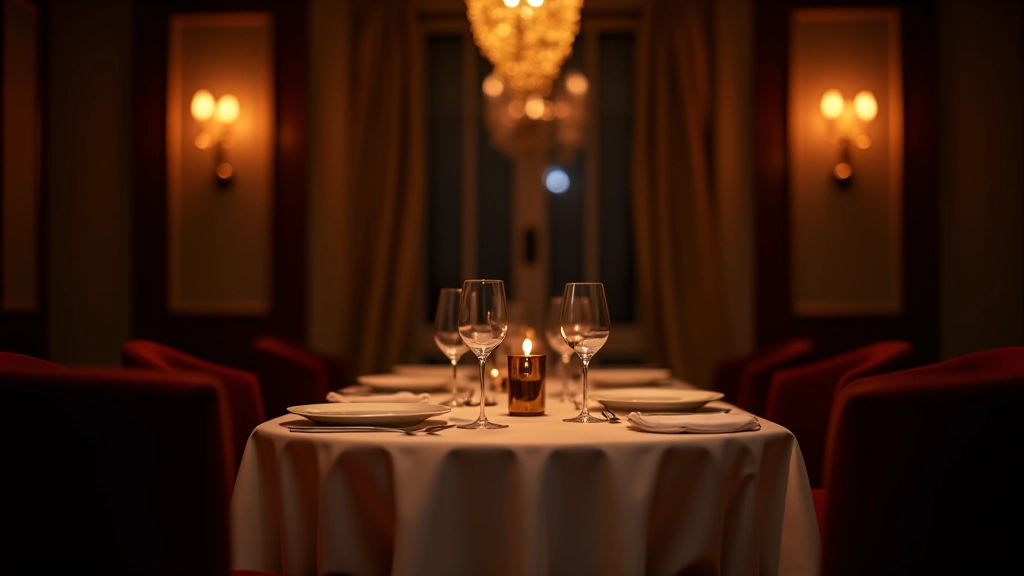
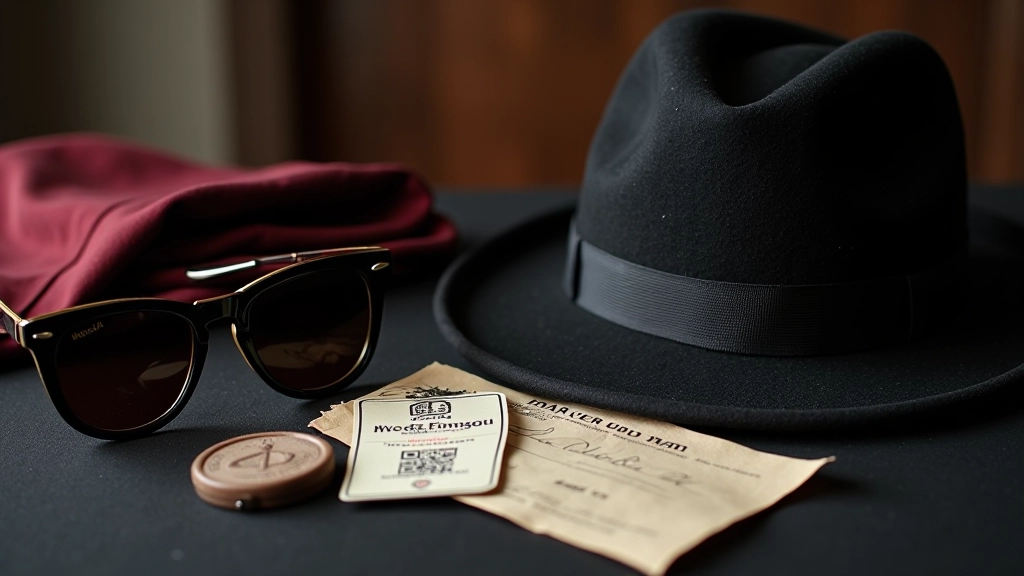
The biggest mistake people make? Demanding elaborate costumes. Your guests are professionals in their 40s and 50s, not theater students. Keep it simple. Dark suits, turtlenecks, sunglasses indoors — these work. A fake ID badge on a lanyard. A small notebook. These are enough.
Send costume guidelines 2-3 weeks before the event. Give them options: "Business casual spy" (dark suit, minimal accessories), "Cold War agent" (turtleneck, glasses, vintage watch), or "Tech spy" (sleek black clothing, earpiece prop). Most people will go with the first option, and that's fine. The consistency matters more than perfection.
Have a small collection of backup pieces — extra sunglasses, a few ties, borrowed scarves — for guests who show up underprepared. They'll appreciate it, and it keeps the atmosphere intact. We usually budget about 15 euros per person for simple costume rentals or DIY pieces.
Timing the Evening: When Energy Peaks and Dips
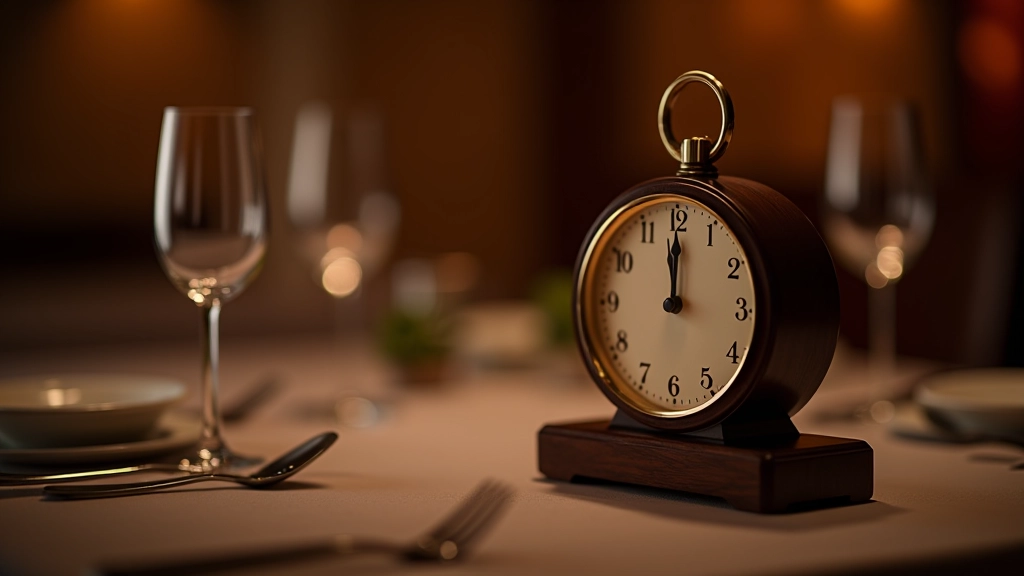
Don't run a spy dinner past 9:30pm. Your guests work jobs, they're not 25-year-old students who thrive at midnight. The sweet spot is 7pm start with a 9:15-9:30pm finish. This feels substantial without exhausting anyone.
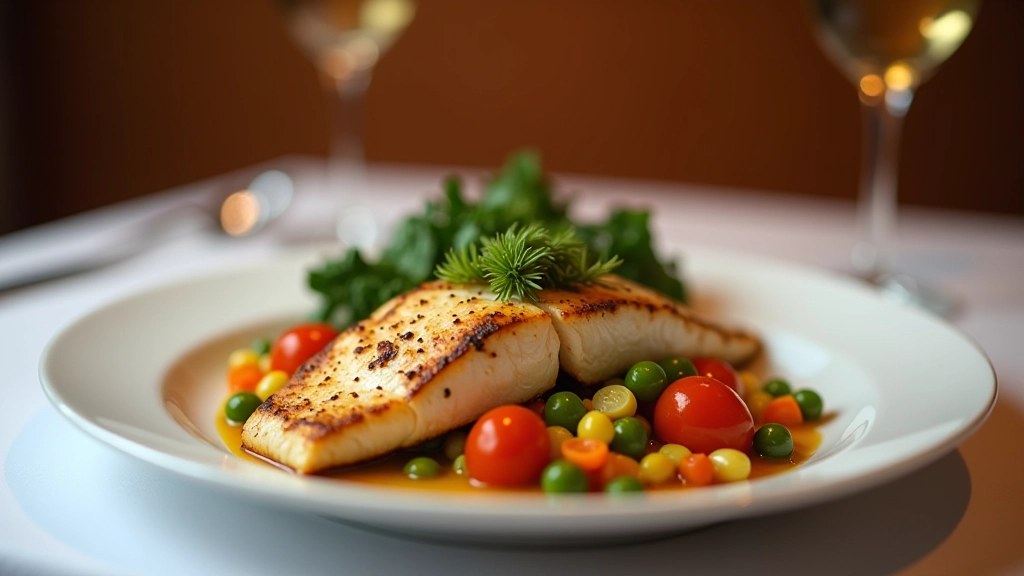
Energy management is everything. First 30 minutes are usually quiet — people arrive, check out costumes, feel each other out. Build your game's first challenge during appetizers when people are relaxed. The main game sequence (clues, accusations, secret revelations) works best during the main course, when people have settled into their seats and their food is right in front of them. They'll eat, participate, read clues, all naturally.
By dessert, energy typically dips. This is when you do final reveals and scoring. Keep it fast. Nobody wants a 20-minute finale. Five minutes of dramatic announcements, winners declared, maybe a silly award for "most convincing spy" or "best liar." Then people mingle, coffee gets served, and the event winds down naturally around 9:30pm.
Critical Logistics You Can't Ignore
Print Everything in Advance
Character cards, role assignments, clue sheets, scoring cards — print them all. Have backups. Nothing kills the vibe like fumbling with a phone trying to read game instructions. Physical cards create tangible tension and give people something to hold and study.
Brief Your Staff Carefully
Talk to your waitstaff 15 minutes before guests arrive. They don't need to act, but they should know not to interrupt during critical game moments. A simple "We're running a game — if people go quiet suddenly, just give them space for 2-3 minutes" works perfectly.
Designate a Game Master
This is you, or whoever's organizing. You need someone who's not playing who can manage timing, read announcements, and handle any hiccups. You're not playing — you're hosting. This distinction matters enormously.
Test Your Game Structure Before the Event
Run through the game flow once with a friend. Not the full thing, just the mechanics. Where do clues go? How do accusations work? How do you handle someone accusing the wrong person? Sort these details out before guests arrive.
Your Next Spy Dinner Is Closer Than You Think
Hosting a memorable spy dinner doesn't require a massive budget or professional experience. It needs the right venue, clear game structure, realistic expectations, and staff who understand what you're doing. That's it.
Start simple. Pick a venue with good atmosphere. Choose a game format that works for your group size. Send costume guidelines that don't stress people out. Run the evening with clear timing and energy management. Your guests will remember this for months.
The best part? They'll immediately start asking when you're hosting the next one. And you'll know exactly how to do it better the second time.
Ready to plan your first spy dinner? Start with venue selection — that's your foundation. Everything else builds from there.
Explore More Mystery Events

About This Guide
This guide is informational and based on practical experience hosting spy-themed dinner events in Portugal. Every group is different — your venue, guests, and game format will influence how these recommendations work for you. Always confirm details with your venue staff and adjust timing based on your specific group. Event planning involves variables we can't control, so use this as a framework and adapt as needed for your situation.