Event Design
Team-Based Riddle Competitions: Rules & Strategies
Create engaging riddle challenges that keep groups focused without frustration. Learn proven difficulty scaling, scoring systems, and team dynamics that work for 40-60 year olds.
Why Riddle Competitions Matter for Group Events
You're planning an evening for people who want mental challenge, not just social chat. That's what riddle competitions deliver. They're inclusive — everyone gets a shot at solving — but competitive enough to keep energy high. The key? You've got to structure them properly or you'll end up with frustrated teams and half the room checking their phones.
We've run these events hundreds of times. What we've learned: difficulty matters more than anything else. Get it wrong and you're either boring people or crushing their confidence. This guide walks through exactly how to scale difficulty, score fairly, and manage team dynamics so everyone stays engaged from start to finish.

Core Rules That Actually Work
Simple structure beats complicated scoring every time.
Team Size & Format
Teams of 4-6 people work best. Anything smaller and one person carries the load. Larger and people mentally check out. We typically run 3-4 teams competing simultaneously. Each team gets a table with pens, paper, and a tablet or printed sheet with the riddles.
Time Limits That Keep Momentum
Don't give teams forever. We use 90 seconds per riddle for easy ones, 2-3 minutes for medium, and 4-5 minutes for difficult. If a team hasn't solved it by then, they don't. Moving on keeps energy alive — you're not sitting around watching one group sweat. Teams that solve early get bonus points for speed.
Scoring That's Fair
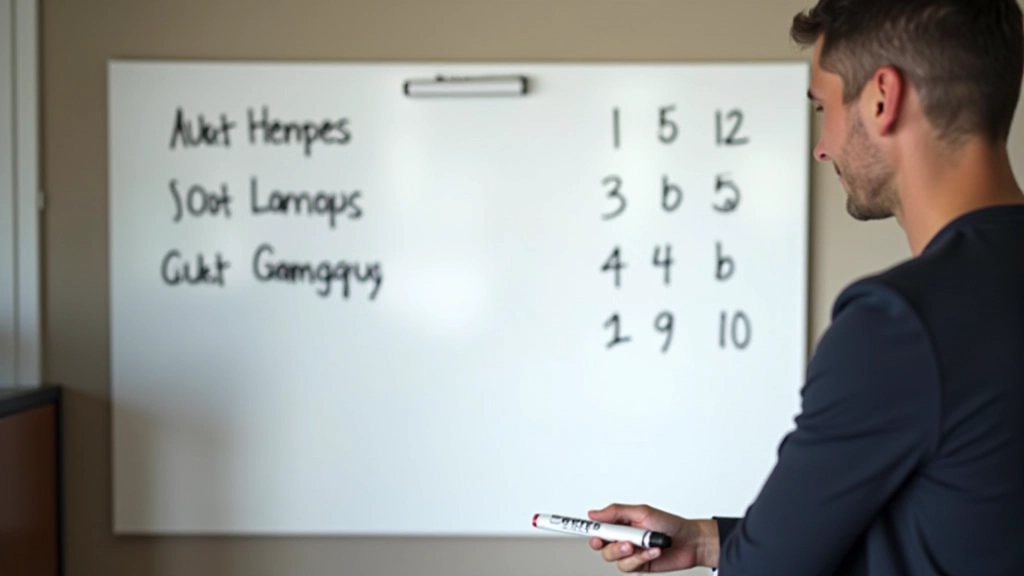
Correct answer = 10 points. That's it. No partial credit, no "close enough." Clean and easy to track. If you want speed bonuses, add 2 extra points if they solve in the first 60 seconds. Running total keeps score visible so people know where they stand.
Scaling Difficulty So People Stay Engaged
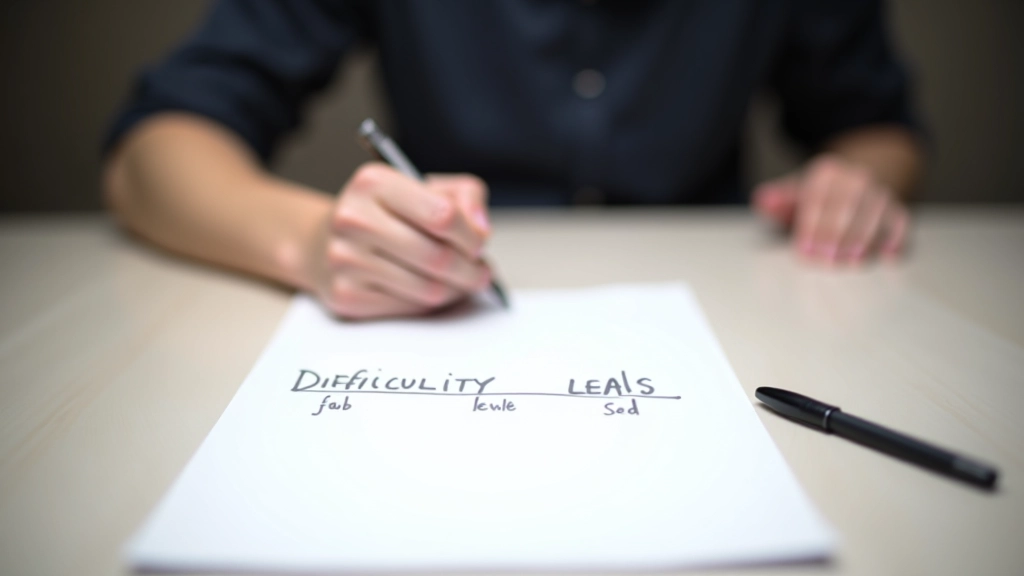
This is where most people mess up. They'll throw a mix of riddles at a group without thinking about sequence. What happens? First three riddles are easy, everyone solves them. Then suddenly a brain-bender shows up and nobody gets it. Confidence drops fast.
Easy Round (Riddles 1-3)
Start with straightforward wordplay. "I have a head and a tail but no body. What am I?" (A coin.) These riddles warm up the group, build confidence, and make sure everyone understands how the game works. Nobody should struggle here. You're creating momentum.
Medium Round (Riddles 4-7)
Now introduce logic and lateral thinking. "I speak without a mouth and hear without ears. What am I?" (An echo.) Teams need to actually work together now. This is where you see the difference between a group that communicates and one that doesn't. It's engaging without being discouraging.
Hard Round (Riddles 8-10)
These are your separators. Not everyone solves them and that's fine. Teams that've been winning stay sharp. Teams that've been struggling get to regroup mentally before wrapping up. Maybe one team cracks the hard ones. That's the win they'll remember.
Pro tip: If you're seeing teams solve everything instantly, your riddles aren't hard enough. If you're seeing blank stares and frustration, go easier. It's better to watch a team miss one hard riddle than to watch them deflate because half the competition stumped them.
Strategies That Keep Teams Competitive
Group dynamics change everything. Here's how to manage them.
Encourage Talk
Tell teams they should be talking out loud about answers. Quiet teams almost always underperform. Talking helps people think. It's not cheating — it's collaboration. The team that bounces ideas off each other solves faster than four people thinking silently.
Create Clear Signals
Teams need a way to signal they've solved a riddle. Use a bell, a hand raise, or tapping a glass — something visible to everyone. This builds tension. Other teams see someone's got it and feel pressure to solve faster. It's pure psychology and it works.
Stick to Time
Don't give teams five more seconds because they're "almost there." Your timer ends, the riddle closes. Fairness matters. Teams learn that procrastinating costs them. Plus it keeps the event moving. A 10-riddle competition should take 30-40 minutes, not an hour.
Celebrate Wins Properly
When a team solves something first, acknowledge it loudly. Everyone knows who's winning. Don't bury the score. Running totals on a visible board keep everyone invested. Doesn't matter if your team's behind — you're still watching because the lead could change.
Running Your Event From Start to Finish
Before the Event
Test your riddles on friends first. You need to know how long they take to solve and whether they're actually solvable. Nothing kills an event faster than a riddle that has no real answer or one so obscure that nobody gets it. Prep your scoreboard, test your timer, print riddles clearly. Arrive 30 minutes early to set up tables properly.
During Setup (15 minutes)
Get teams seated. Explain the rules in 2-3 minutes — people don't want a lecture. Show them the scorekeeper, show them the timer, explain the signal system. Then do one practice riddle together so everyone understands. "I have four eyes but can't see. What am I?" (Potato.) Easy one. Gets a laugh. Builds comfort.
Competition (30-40 minutes)
Read riddles clearly and only once. If you repeat it, you're helping some teams more than others. Keep energy up — your enthusiasm carries the room. Check in with lagging teams after a few rounds. If they're frustrated, maybe you ramped difficulty too fast. Keep momentum rolling. No long gaps between riddles.
Finish & Celebration (10 minutes)
Announce the winner clearly. Give them something — even if it's just recognition. We usually have small prizes: a bottle of wine, fancy chocolates, something tangible. People remember events where they won something. End on a high note. Don't let it peter out.

The Real Secret
Riddle competitions work because they're democratic. Anyone can win. It doesn't matter if you're the youngest or oldest person in the room — if you think laterally, you solve the puzzle. We've watched 58-year-olds out-solve 42-year-olds. We've seen quiet people dominate when the riddles hit their thinking style. That's what makes these competitions special.
The structure we've outlined isn't complicated. You don't need fancy tech or elaborate rules. You need: clear riddles, fair scoring, good timing, and energy from whoever's running it. Get those four things right and you'll have people talking about your event for months.
"We've done hundreds of team events. The ones people remember aren't the ones with the most expensive decorations or the fanciest food. They're the ones where everyone felt like they had a genuine shot at winning."
— Event organizer, LisbonStart with these rules and strategies. Run one event. Watch what works and what doesn't. Adjust your riddle difficulty based on your specific group. Keep the structure tight. The competition itself will tell you what you need to know. That's how you build events people actually want to come back for.
About This Content
This guide is based on years of experience organizing riddle competitions and team-based events. The rules, difficulty scaling, and strategies described here are designed as a framework you can adapt to your specific group and situation. Every audience is different — what works perfectly for one group might need adjustment for another. Use these principles as a starting point and modify them based on your actual participants and venue. Circumstances vary widely, so test approaches before running your full event.
Related Articles