

How to Host Your First Mafia Game Night
Everything beginners need — from player count to rule variations. We've broken down what actually works for groups of 40-60 year olds.

Why Mafia Works for Your Age Group
Mafia isn't a kids' party game. It's strategic thinking under pressure. You'll find yourself analyzing speech patterns, reading faces, making snap judgments. That's why it resonates with people who've spent decades in boardrooms, family dynamics, and life experience.
The game doesn't require physical ability or technical skills. What it demands is conversation, social awareness, and a willingness to bluff convincingly. These are strengths that come with age, not despite it.
Plus, it's genuinely fun. You'll see serious professionals debate passionately over accusations. You'll watch careful listeners pick up on tiny contradictions. There's real engagement happening — not just passing time.

Getting the Basics Right
Player count matters more than you'd think. We've tested this with dozens of groups.
Player Count & Roles
Start with 7-12 players. Seriously. With fewer people, the deduction becomes too obvious. With more than 15, discussion drags and people lose focus.
For a 9-person game (solid starting point): 3 mafia members, 1 doctor, 1 detective, 4 villagers. These roles create real tension without overwhelming complexity. The doctor blocks one kill per night. The detective identifies one person per round. Mafia kills one person at night and eliminates during day voting.
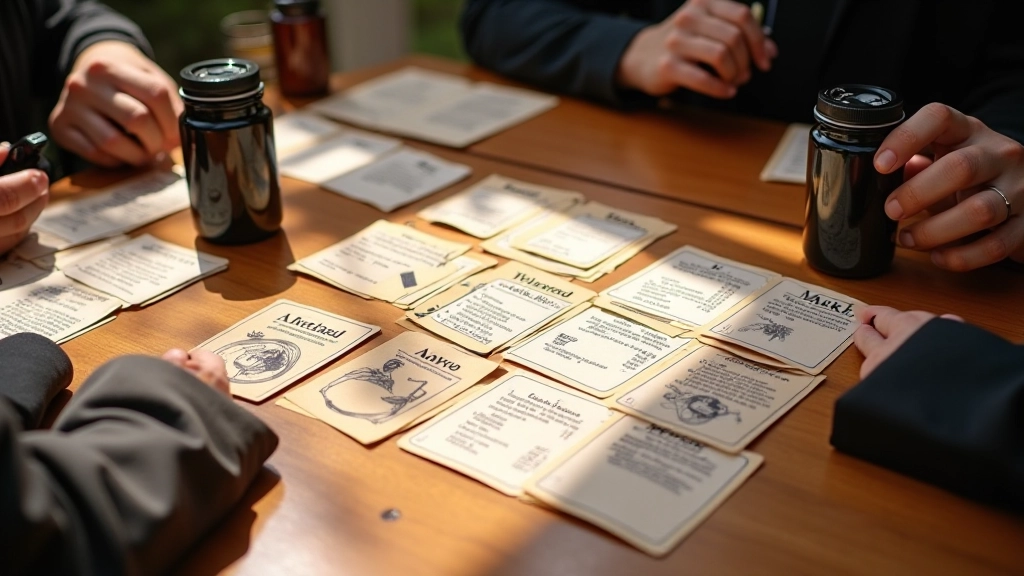
You don't need fancy cards. Index cards work perfectly. Write "Mafia," "Doctor," "Detective," "Villager" and shuffle them face-down. People pick blindly.
Timing: 2-3 minutes for night phase (mafia chooses victim, doctor chooses protection, detective chooses suspect). Then 5 minutes of open discussion. Day vote takes 3-4 minutes. Full round is about 15 minutes. A game runs 45-60 minutes total.
Rules That Actually Make Sense
Don't overcomplicate this. The core mechanic is dead simple: mafia kills at night, villagers vote during day. Everything else flows from that.
Here's what you need:
Night Phase:
Everyone closes eyes. Mafia members open eyes, point to one
person to eliminate. Doctor opens eyes, protects one person
(can be themselves). Detective opens eyes, points to someone
and gets "mafia" or "innocent" answer. Everyone back to eyes
closed.
Day Phase:
Everyone discusses. Someone was killed last night — announce
who. The group votes someone out. Majority rules.
Tie-breaker: whoever got mentioned first leaves. That
person's role is revealed.
Winning Condition:
Villagers win if all mafia die. Mafia wins if they equal or
outnumber villagers (voting control). Game ends immediately
when either condition happens.
That's it. Don't add "whisper voting" or "secret roles" — you're overcomplicating things. Stick with basics your first time.

What Makes a Good Host
Your job isn't to win — it's to keep things moving and fair.

Essential Host Duties
First: you don't play. You moderate. You announce deaths, manage time, call for votes. This seems obvious but it's critical. A distracted host ruins the experience.
Keep a timer visible. People lose track of time during discussion. When the timer hits 5 minutes on day phase, give a 1-minute warning. People need structure or they'll debate forever.
Call out accusations clearly. When someone says "I think Maria is mafia," repeat it back. Make sure everyone heard. This prevents people claiming they didn't say things.
Stay neutral. Don't react when deaths happen. Don't show surprise. Your poker face matters. If mafia kills your best friend and you visibly react, everyone notices.
Enforce speaking order. Let people talk but don't let one person dominate. "Everyone gets 30 seconds to speak" works better than hoping for natural balance.
What Happens During Play (Real Dynamics)
The first round always feels awkward. People don't know what to do. Someone dies, everyone stares at each other. This is normal. By round three, things heat up.
You'll notice patterns. Nervous people talk more. Guilty mafia members often repeat the same defenses. Innocent people ask clarifying questions. Smart players accuse confidently but stay open to counter-arguments. These aren't foolproof tells but they matter.
The doctor's biggest decision: protect themselves or a suspected innocent? First game, they'll protect themselves (safe choice). Later games, they start protecting suspected innocents (riskier, smarter). This evolution is beautiful to watch.
Mafia members struggle with the hardest part: acting innocent while maintaining group cohesion. They can't vote together every time or it becomes obvious. So you'll see mafia turning on each other mid-game to look credible. It creates real tension.

Practical Tips From Running Games
Start With Smaller Groups
Your first game should be 7-9 people max. Easier to manage, clearer accusations, everyone participates actively. Scale up once you've run two games smoothly.
Mix Personalities Intentionally
Put naturally talkative people on different teams. If all the quiet people end up mafia, they'll never convince anyone. Balance creates better games.
Timing Matters More Than You Think
Run games after appetizers but before main course. People are alert, not too full, not distracted by eating. Avoid games right after heavy drinking — people get sloppy.
Have a Debrief Ready
After the game ends, reveal all roles immediately. People want to know who was actually mafia. Spend 10 minutes discussing what clues people noticed. This creates the real bonding.
Play Multiple Rounds
One game isn't enough. Run 2-3 games with the same group in one night. People get better at reading each other. The second game is always more strategic than the first.
Watch For Frustration
Someone gets voted out unfairly, they'll feel frustrated. Remind people it's a game. If someone's genuinely upset after being wrongly accused, maybe they're not the right fit for future rounds.
Your First Night Will Teach You Everything
Don't overthink it. You've got the rules. You know the roles. You understand the pacing. What you can't learn from reading is how your specific group reacts to pressure, how they handle accusations, what makes them laugh or frustrated.
That only happens when you play. So gather 7-9 people, shuffle the cards, and start night one. You'll discover what works for your crowd. Some groups want strategic depth. Others want silly accusations and lots of laughing. There's no wrong version — just versions that fit your people.
The best part? Once you've hosted one successful game, people ask when the next one is. That's when you know you've created something people actually want to do again.
Disclaimer
This guide is informational and based on common Mafia game formats. Game outcomes depend entirely on player personalities, group dynamics, and individual decisions. No strategy guarantees a win. Always ensure all participants are comfortable with the game's social nature and accusations, as some people may find the deception mechanics uncomfortable. Adjust rules as needed for your specific group.