

Creating Clue-Solving Adventure Parties From Scratch
A complete guide to designing mystery events where teams work together to solve puzzles and uncover secrets
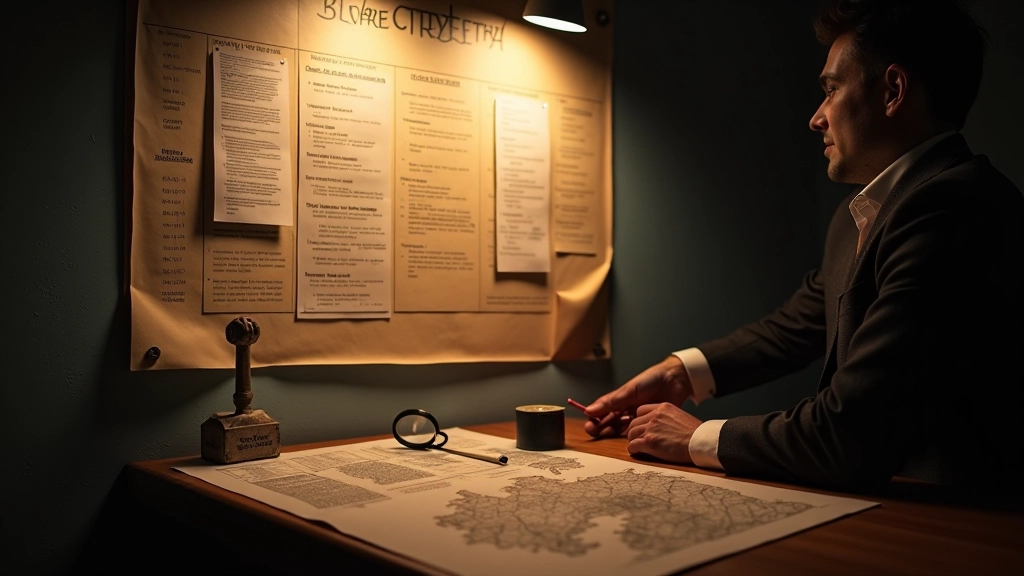
Why Mystery Parties Work So Well
We've all been to parties where people stand around making small talk. It's awkward. But throw in a mystery to solve and suddenly everyone's engaged. They're working together, asking questions, debating theories. It transforms a regular evening into something memorable.
The magic isn't complicated. You're giving people a shared goal. They can't just show up and scroll their phones — they're actively participating. And the best part? It works for every age group. We've seen 45-year-olds and 65-year-olds completely absorbed in figuring out "who did it."

The Three-Act Structure That Works
Don't overthink the framework. Every successful mystery party we've seen follows the same basic rhythm: setup, revelation, and climax.
Act One: The Setup (First 30 minutes)
Players arrive, get their character assignments or team roles, and receive the initial mystery. Something's happened — a theft, a disappearance, a scandal. You're giving them a problem with maybe 2-3 initial clues. That's it. They shouldn't solve it yet.
Act Two: The Investigation (45-60 minutes)
Teams move through the space finding clues. Maybe they're interviewing "suspects" (friends you've briefed), searching rooms, or decoding messages. You're pacing the revelations carefully — every 10-15 minutes they should find something that shifts their thinking.
Act Three: The Reveal (15-20 minutes)
Teams present their theories. You reveal the "truth" — which might be their solution, or it might surprise them. Either way, there's a moment where everything clicks into place. That's your payoff.

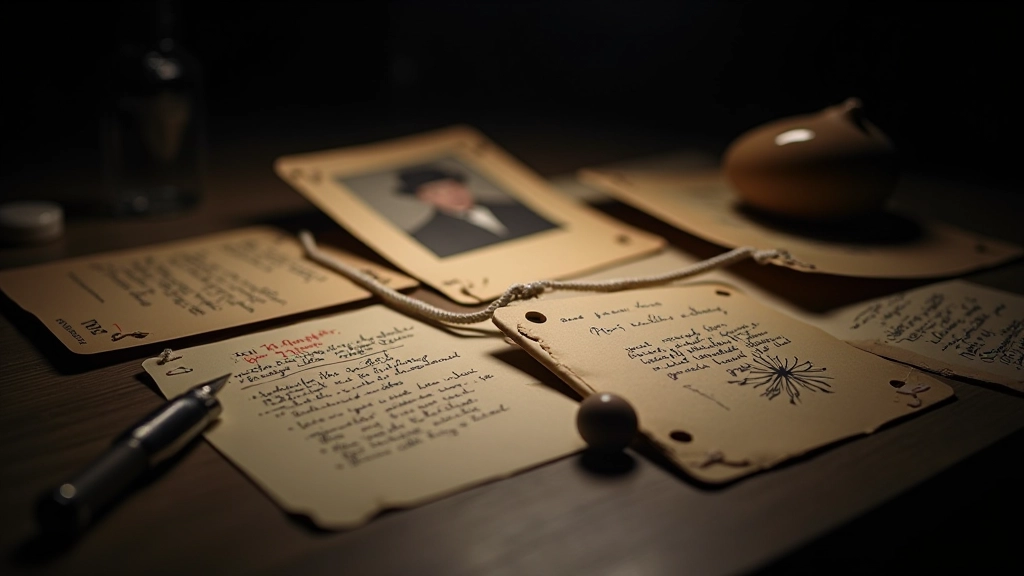
Designing Clues That Actually Work
Here's where most parties fall apart. People create 15 clues and scatter them everywhere. Players find them randomly, get confused, lose interest. You need structure.
Think in tiers. Your primary clues are the ones that absolutely must be found — they're essential to solving the mystery. Hide these where you're 80% confident people will find them. Secondary clues add flavor but aren't required. Hide these in slightly trickier spots. Red herrings are your fun ones — clues that point away from the truth. Hide these in easy-to-find places so teams waste time chasing them.
We typically create 8-12 primary clues, 4-6 secondary clues, and 3-4 red herrings. That gives you enough variety that different teams find different combinations but everyone gets enough information to reach the solution.
Pacing: The Secret Ingredient
Energy dies if players sit searching for 20 minutes without finding anything. You need a rhythm. Here's what we've learned works:
- First 10 minutes: Teams should find at least 2 clues quickly. This builds confidence.
- Minutes 10-30: Clues come a bit slower. People are engaged and searching more carefully.
- Minutes 30-45: Introduce a twist or major revelation. Energy boost.
- Final phase: Clues become more obvious. You want teams racing toward the finish.
The math is simple. If your party runs 90 minutes total, you need roughly 12-15 clues revealed throughout. That's one clue every 6-7 minutes on average. Some come fast, some slow, but maintain that rhythm and you'll keep energy high.


Managing Multiple Teams Without Chaos
Once you've got more than 8-10 people, split them into teams. We usually go with 2-3 teams of 4-5 people each. Here's the critical part — don't let teams work in completely separate spaces. They should see each other, overhear conversations, maybe even interact with opposing teams' clues.
Why? Because it creates tension. A team overhears something that contradicts their theory. They question themselves. That's dramatic. That's fun. Plus, it prevents one team from getting hopelessly stuck while another blazes ahead.
At the end, have teams present their solutions simultaneously or one after another. If they reach different conclusions, don't immediately shut them down. Let them defend their logic. Often their alternative theories are more interesting than the "official" answer. You're the moderator, not a judge.
Practical Tips From Experience
Test Everything First
Run through your mystery alone or with one trusted friend before the actual party. You'll catch pacing problems, realize clues don't make sense, discover that your "hidden" envelope is actually visible from the hallway. Real people finding real clues will move at different speeds than you expect.
Write Everything Down
You need a master document: timeline of the mystery, character descriptions, all clue locations, what each clue reveals, and contingency answers for weird team theories. When people ask "Can we check the bathroom?" you know whether there's anything there. Sounds silly but it saves you constantly improvising.
Create Decoy Documents
Print fake receipts, fake emails, fake journal entries — things that feel like real clues but might be red herrings. A handwritten note on hotel letterhead feels authentic. A typed document feels official. These props make the whole experience feel more real and immersive.
Have a Timer Visible
Set a visible timer for the investigation phase. Teams need to know there's a deadline. Without it, they'll search aimlessly forever or give up too early. The time pressure creates urgency. It keeps energy moving forward.
Plan for the Wrong Answer
Somebody will reach a different conclusion than you intended. Don't treat it like they failed. If their logic makes sense given the clues they found, acknowledge that. Maybe they solved it differently. That's still a win.
Keep Refreshments Flowing
People think better when they're not hungry or thirsty. Have wine, water, snacks available. Not as a distraction — as fuel. Teams searching for clues while sipping coffee creates a better atmosphere than teams distracted by their empty stomachs.
Ready to Build Your First Adventure Party?
The framework is simple: setup, investigation, reveal. The details — clue placement, pacing, team management — these you learn by doing. Start small. Host it for 8-10 people you know well. See what works, what doesn't, where energy dips. Then refine it.
Mystery parties aren't about perfection. They're about creating an experience where people feel like detectives solving something real. Get that right and you'll have an evening everyone talks about for months.
Explore More Mystery Event GuidesContinue Reading


About This Guide
This article provides educational guidance for planning and hosting mystery-themed social events. The techniques and frameworks described here are based on common practices and our experience facilitating these gatherings. Your results may vary depending on group size, participant experience, and venue. We recommend adapting these suggestions to fit your specific group dynamics and preferences. Always ensure all participants feel comfortable and included in the experience.